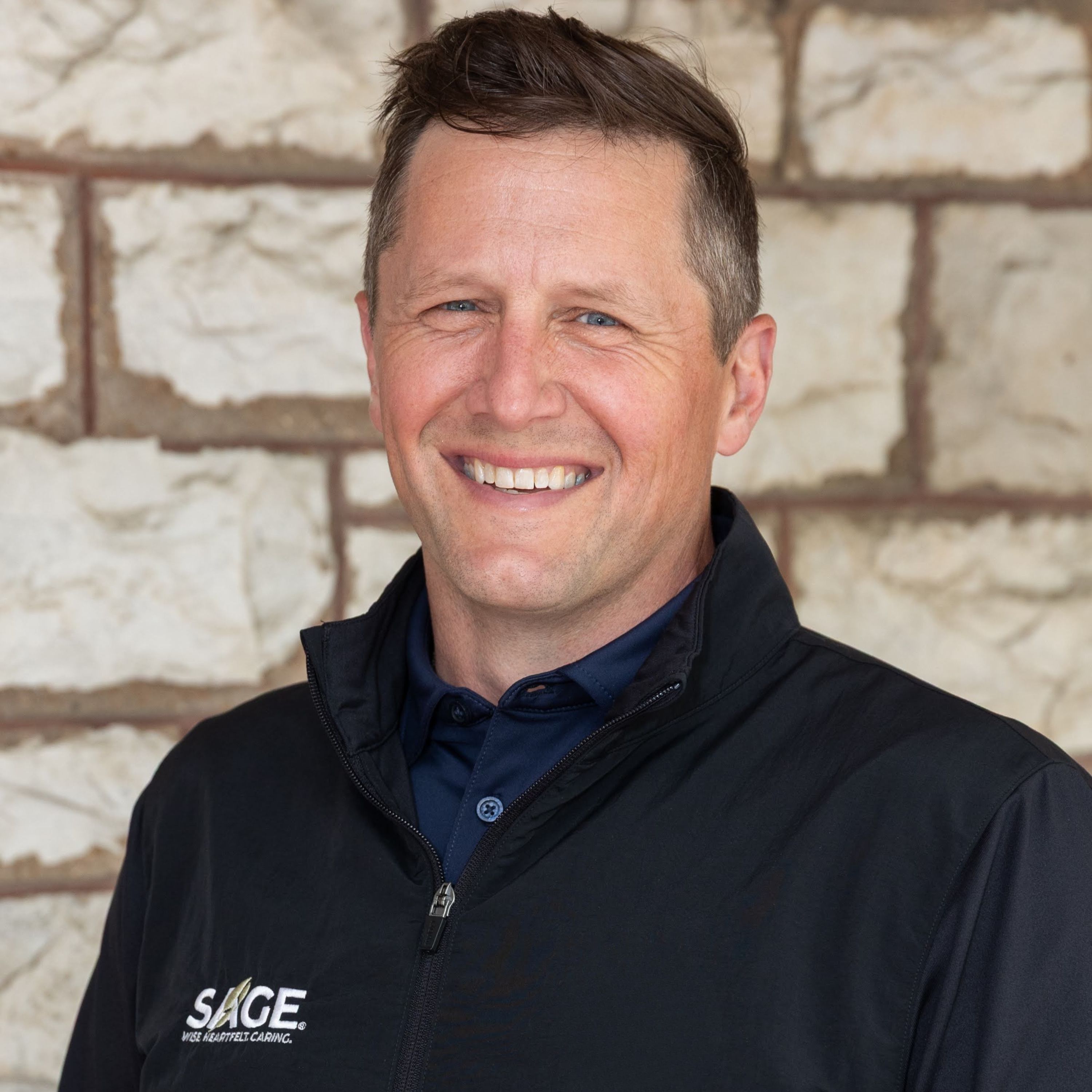
Miriam Allred (00:01)
Hey everyone, welcome back to the lab. I know I say this often, but thank you for listening. Y'all are awesome. I love bringing you these episodes every single week. It's a ton of fun, and I'm glad you're getting enough value to come back week after week. It really is a pleasure. So thank you for listening. Today in the lab, I am joined by Ryan Whittington, the CEO at Seniors Home Care based in St. Louis, Missouri. Ryan, welcome to the show.
Ryan Whittington (00:24)
Thanks, Marion. Glad to be here.
Miriam Allred (00:26)
It's so good to see you again. It's been a busy couple of months for us. ⁓ April, May, what do people call it, May-cember or something. It's it's a really crazy time. So glad we're connecting here in June. I am excited for this conversation. Why don't we start with your introduction? Tell everyone a little bit about yourself, maybe personally and professionally, and then also about the family business.
Ryan Whittington (00:46)
Great, thanks. Yeah, glad to be here. Glad to finally connect. ⁓ Yeah, so professionally in home care, my start was in 2008. I joined ⁓ our family business, Seniors Home Care, that my mom founded in 1987. So this next year in 27, we'll be celebrating 40 years, which will be pretty exciting. However, you know, in reality, I joined the business when I was nine when my mom started the company in 87.
The business, like many, probably back then, started in our home. My mom was a caregiver for her grandmother, and after her grandmother passed away, we had an extra room. And so, really, a founding principle of our business was this extra room where my mom had older women primarily move in with us, and my mom was the caregiver at night. And so as she started that company, she started hiring employees that would come over during the day. And so for me and for my younger brother, home care was waking up in
morning sitting across from the table of a you know an 85 year old woman that wasn't a family member but became a family member and so I got to watch all of that in-home care experience and you know I often tell people it's kind of baked into me to be here today but then I went to college graduated
got out of school and then started in 2008 with my mom after owning my own business and just really started off as a caregiver. My mom was very ⁓ she's a nurse, registered nurse, and it was important to her that I learned the business. So I was a caregiver, then moved into a marketing role.
became ⁓ CEO in 2018 and was able to work with my mom for 16 years before ⁓ my wife and I purchased the business in 24 and now my wife and I run the business here in St. Louis, Missouri, and we're not looking back.
Miriam Allred (02:38)
And before we hit record, we were talking about does it get any easier, Ryan? This you've been doing this as long as, you know, anybody essentially. Does it get any easier and what motivates you to keep going? Because this business is tough.
Ryan Whittington (02:51)
Yeah. ⁓ parts of it get easier but the main, you know, just struggle with ⁓ connecting those great caregivers to clients that are in need. It's it's it's a challenge. but you know, it's just so meaningful when when that happens that it's worth it.
And I you know, I would just say that this far into it, we have such a great office team, such a a great support team. We're all moving in the right direction. I know you've talked on other podcasts about how companies have established with EOS and that's what we run on. so these days the challenges are different, but ⁓ you know it's all worth it. Yeah, for sure.
Miriam Allred (03:30)
What you said a minute ago about before we recorded, you said though, if you're doing this right, you still take everything personally. And I I think some may think like, you have to take things less and less personally. But this in this business to continue doing it well and to be making the impact, it like you have to almost take everything personally, which weighs you down and burdens you, you know, mentally, physically, emotionally, but you have to take it personally.
Ryan Whittington (03:37)
Yeah.
Yeah. Well yeah, I mean, as leaders everyone's watching you, ⁓ us as leaders. And so, ⁓ it can be easy just to accept that, you know, the workforce has changed or the clients' needs have changed and so it's easier to accept that maybe, you know, being late is okay or, you know, providing
service that's just okay is okay. It's but ultimately as the leader, there are some things that can change. There are some ways that we can change those and and you have a great podcast that shows a lot of those ways that we've been able to innovate. But ultimately, ⁓ yeah, if if if it becomes okay that the care is poor, then you shouldn't be doing this. Yeah.
Miriam Allred (04:35)
Talk a little bit about the blueprint of the company, ⁓ kind of like demographic. You know, you're based in Missouri, you've been around for a long time. Just give us kind of high-level numbers around clients, caregivers, subpayers, you know, ballpark revenue, because then we're gonna talk about something unique that you've built and grown, but give us kind of some context before we get into that.
Ryan Whittington (04:52)
Right. Yeah, so St. Louis, for those that don't know, sits right on the Mississippi River. So ten minutes away is Illinois. ⁓ we don't provide any care in Illinois. Illinois has a licensed structure that Missouri does not. We're a non licensed state. So ⁓ for us, our business is ⁓ really centered in the St. Louis side of the metro area. And I don't know the demographic size of that, but we folk we we have a dense population here in St. Louis, so we're fortunate for that.
And over the years we've really been able to dig deep in our marketplace. We've we've tried other surrounding areas and really just didn't find that successful. So we've we we just focus right here in St. Louis. we again been around a long time. So I remember before things like ⁓ companionship exemption, so we there was a time where caregivers could work as many hours as you wanted they wanted and we could pay them and you know we could we could talk about that more and we won't, but
But you know, at that time we were we were operating with ⁓ maybe two hundred and fifty, two hundred and seventy five caregivers. We we were able to bring on caregivers and keep them and
for various reasons, but that changed. Also, you know, bringing in health insurance, all good things, but the business has changed over time too. So today we have about 125 employees. our our clients typically are are doing more hours with us. We we've established some minimums over the years, which I know we won't talk into, but I know you've talked with some other ⁓ companies and that's really worked well for us. It really helps us establish good relationships with our clients. And yes
do have to give up some opportunities, but we wouldn't change that. And so you know we we've definitely hit rapid growth over the years. We've hit plateaus, drops, and we're currently back in in a growth period which is exciting. And and Sage, which we'll talk about is is one of those.